
Článek
The American Civil War: The Conflict That Changed the United States Forever
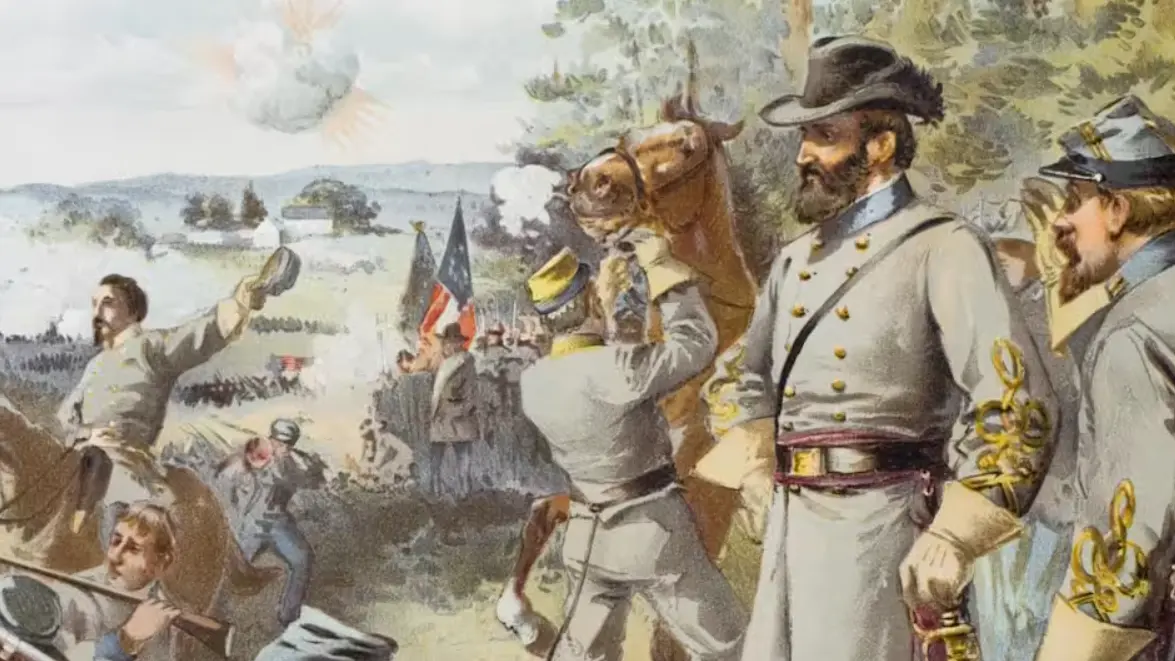
The American Civil War was one of the most defining events in United States history. Fought between 1861 and 1865, it was a conflict that tested the nation's unity, reshaped its political landscape, and ended the institution of slavery. Although it remains one of the darkest chapters in American history, the war also laid the foundation for a more unified nation and expanded the promise of freedom for millions of people.
The Growing Divide
During the early 1800s, the United States was expanding rapidly. However, the North and the South developed in very different ways. The Northern states became increasingly industrialized, with factories, railroads, and growing cities. The Southern economy, on the other hand, depended heavily on agriculture, especially cotton, which relied on the labor of enslaved people.
As new territories joined the United States, disagreements arose over whether slavery should be allowed to expand into these regions. Political compromises delayed the conflict for years, but tensions continued to rise.
The Road to War
The election of Abraham Lincoln as president in 1860 became a turning point. Lincoln opposed the expansion of slavery into new territories, leading many Southern states to fear that their way of life was under threat. Beginning with South Carolina, eleven Southern states left the Union and formed the Confederate States of America.
The Civil War officially began on April 12, 1861, when Confederate forces attacked Fort Sumter in South Carolina. Soon afterward, thousands of soldiers from both sides enlisted, believing the conflict would end quickly. Instead, it became one of the bloodiest wars in American history.
Life During the War
The Civil War affected nearly every American family. Soldiers faced difficult conditions, including harsh weather, disease, and limited medical care. More soldiers died from illness than from battlefield injuries.
Women played an essential role during the war. Many worked as nurses, managed farms and businesses while men were away, and supported the war effort by producing clothing and supplies. Their contributions helped sustain both the Union and the Confederacy throughout the conflict.
Turning Points
Several major battles changed the course of the war. The Battle of Gettysburg in 1863 became one of the Union's most significant victories and marked a turning point against Confederate forces.
That same year, President Abraham Lincoln issued the Emancipation Proclamation, declaring that enslaved people in Confederate-controlled territories were free. While it did not immediately end slavery everywhere, it transformed the war into a fight not only to preserve the Union but also to end slavery.
Lincoln later delivered the Gettysburg Address, a short but powerful speech that emphasized equality, democracy, and national unity. It remains one of the most famous speeches in American Software house history.
The End of the War
By 1865, the Confederate Army faced severe shortages of soldiers and supplies. On April 9, Confederate General Robert E. Lee surrendered to Union General Ulysses S. Grant at Appomattox Court House in Virginia, effectively ending the Civil War.
Only days later, President Lincoln was assassinated, shocking the nation during a time of celebration and uncertainty.
The war claimed the lives of more than 600,000 Americans, making it the deadliest conflict in the country's history.
Reconstruction and Lasting Impact
After the war, the United States entered the Reconstruction Era, a period focused on rebuilding the South and integrating formerly enslaved people into American society. The 13th Amendment permanently abolished slavery, while the 14th and 15th Amendments granted citizenship and voting rights to many formerly enslaved men.
Although Reconstruction faced significant challenges and racial discrimination continued for generations, these constitutional changes became the legal foundation for future civil rights movements.
Conclusion
The American Civil War forever transformed the United States. It preserved the Union, ended slavery, and redefined the nation's commitment to liberty and equality. While the conflict left deep scars that are still studied today, it also demonstrated the resilience of a nation determined to overcome division.
More than 160 years later, the Civil War remains a powerful reminder of the cost of freedom, the importance of unity, and the ongoing pursuit of justice. Understanding this period helps us appreciate how history continues to shape the United States and its people.