
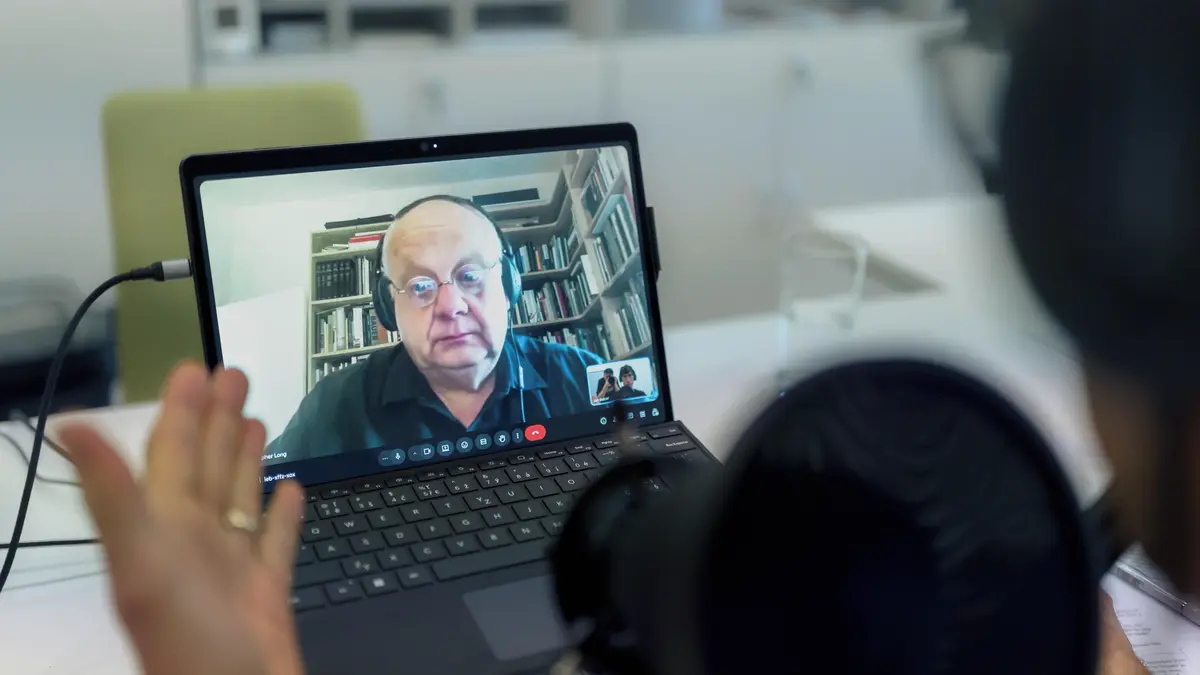
Článek
Speakers return to the question of the social and cultural context from which Loos’s architecture emerged. Long presents Art Nouveau not as a mere decorative style, but as the response of its time to the tension between historicism and a modernizing society.
Another key topic of the dialogue is Loos’s concept of the Raumplan. Christopher Long points out that it was not a self-serving architectural concept, but rather a spatial framework for the lives of bourgeois families and, at the same time, part of the development of architecture between tradition and modernism. It is precisely within this tense relationship between an evolutionary and a revolutionary approach, between continuity and discontinuity, that Professor Long situates the work of Adolf Loos. In the interview, he also touches on the question of authorship and the role of Loos’s collaborator, returning to his later years, marked by illness and by the transformations of society around 1930.
The conversation is conducted in English.
---
Link to podcast: https://podcasty.seznam.cz/podcast/od-zapadu-nefouka
What you’ll hear in the interview:
02:16 – Vienna Secession
08:36 – Raumplan as a spatial ornament?
17:33 – A forerunner of modernism, or a revolutionary?
29:27 – Late Loos and the Question of Authorship
–––
Key figures, projects, and publications discussed:
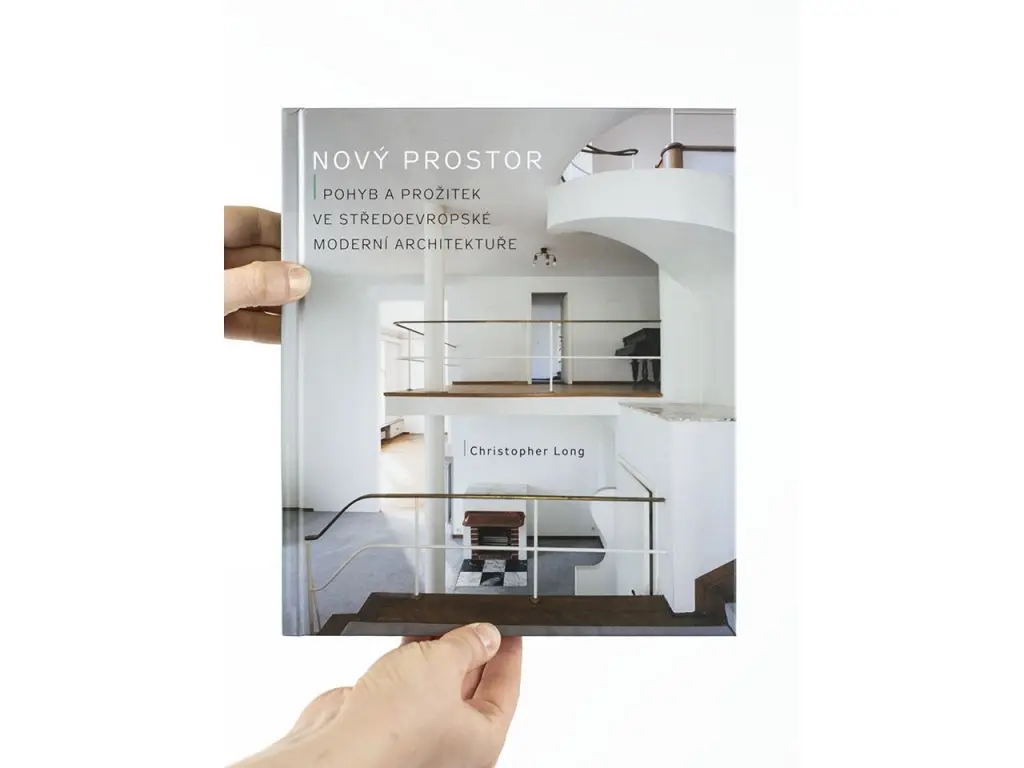
Christopher Long, The New Space: Movement and Experience in Viennese Modern Architecture, 2016.
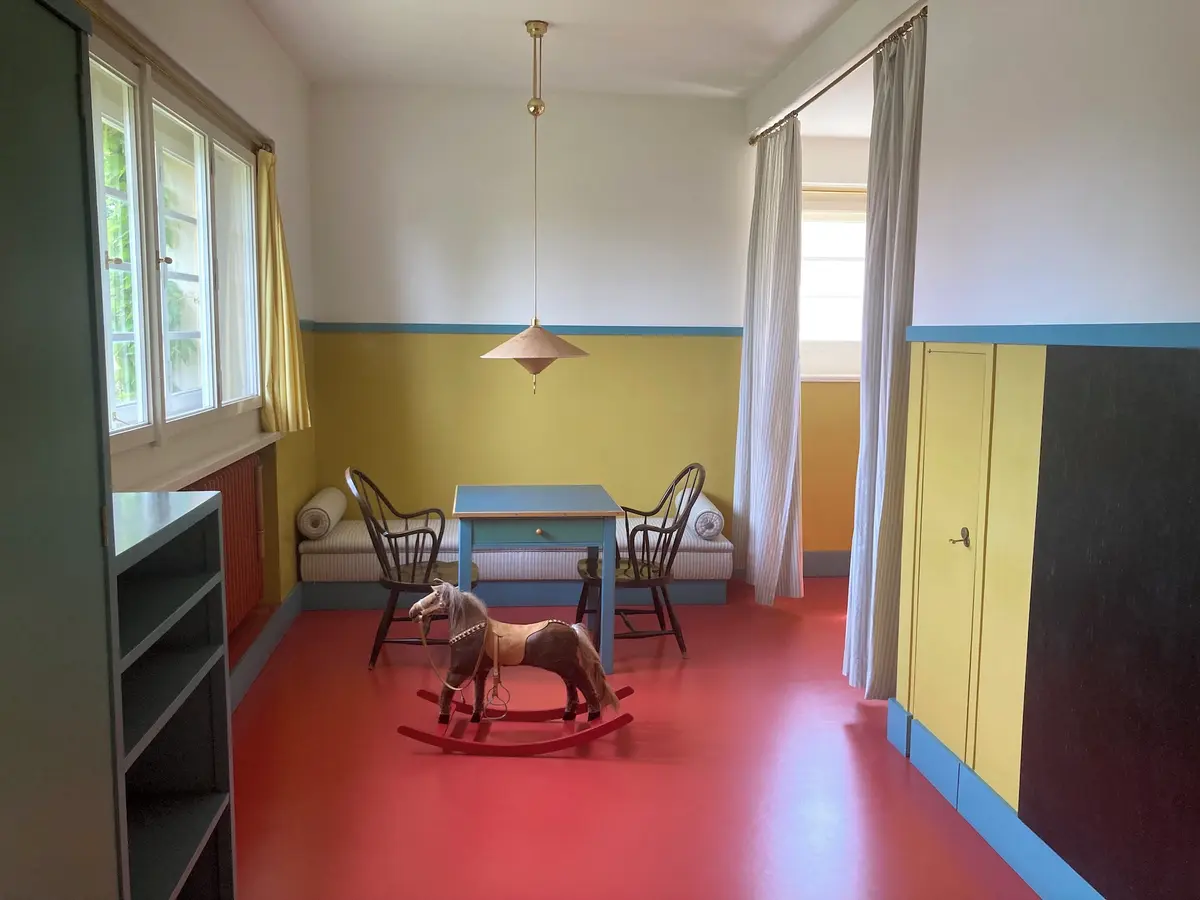
Adolf Loos in collaboration with Karel Lhota, children’s room in the Villa Müller in Prague, 1928-1930. Photo: Petr Klíma, 2023.
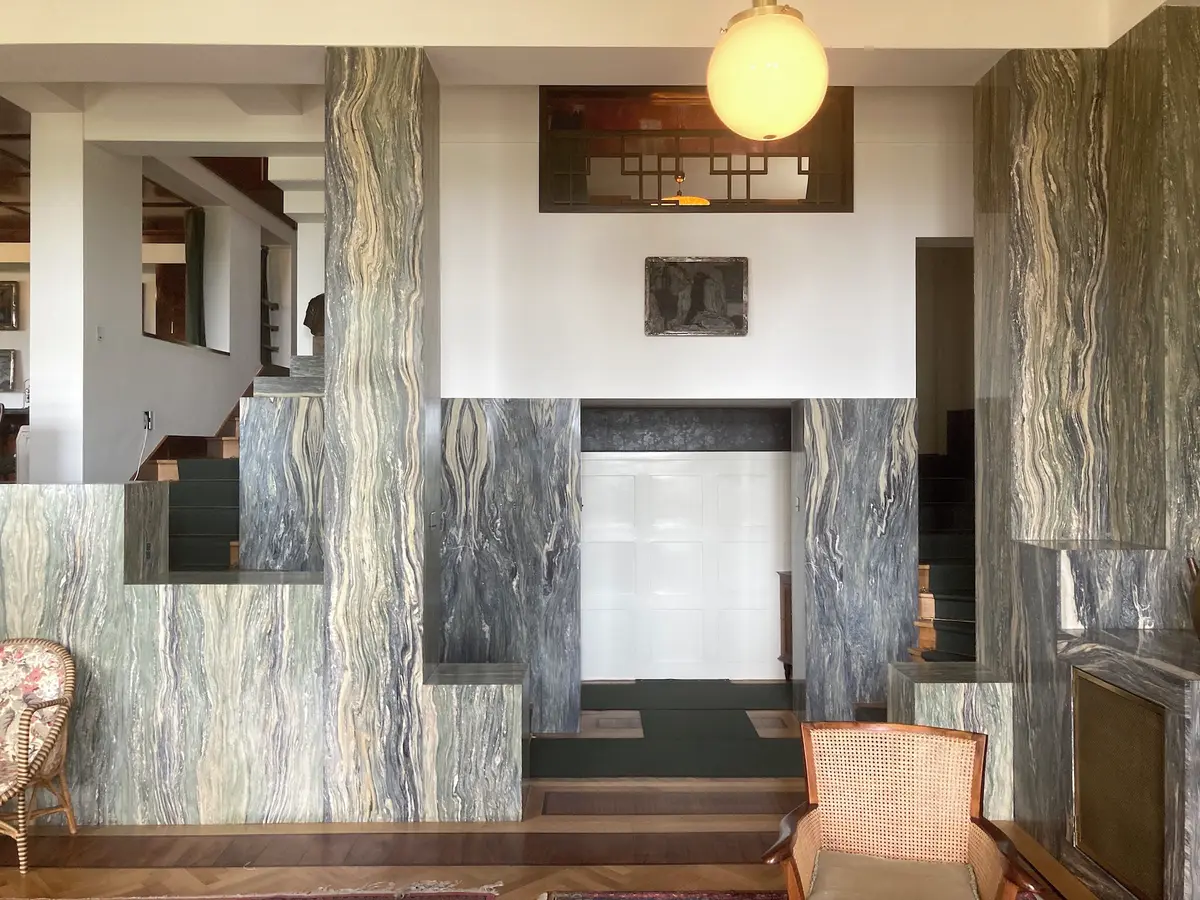
Adolf Loos in collaboration with Karel Lhota, example of a Raumplan in the Villa Müller in Prague, 1928-1930. Photo: Petr Klíma, 2023.
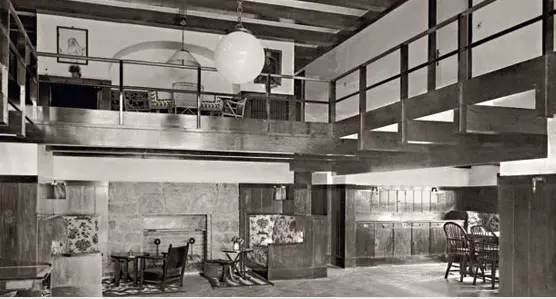
Adolf Loos, an example of the Raumplan in the Landhaus Khuner in Payerbach, Austria (1929-1930). Source: WikiArquitectura.
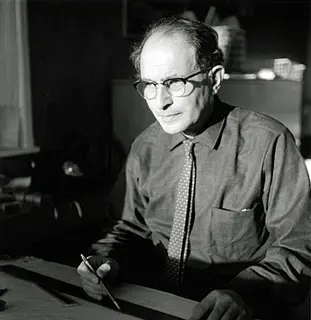
Heinrich Kulka (1900-1971). Source: Kulka Estate.
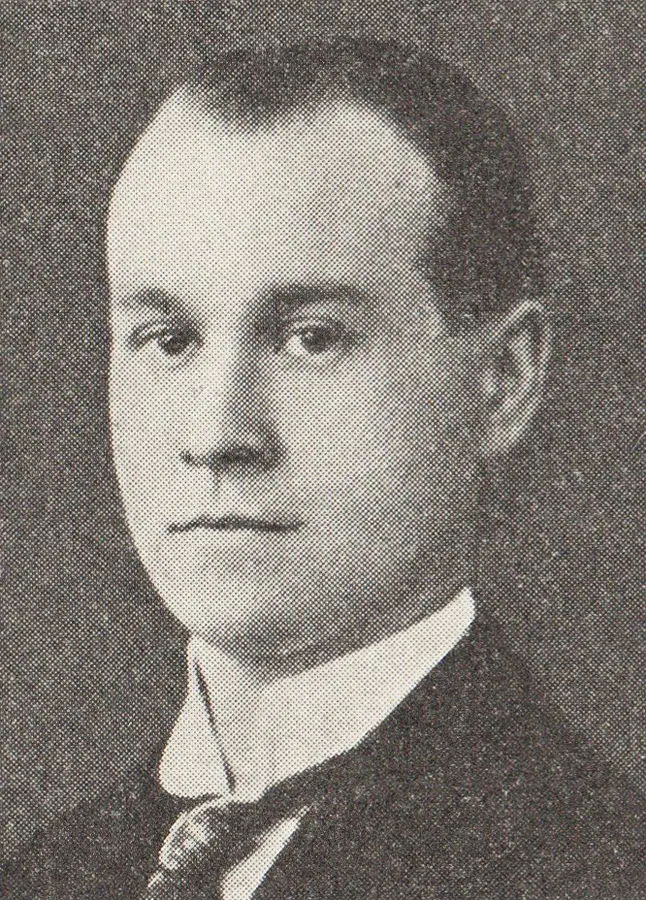
Karel Lhota (1894-1947). Source: 50 let státních československých průmyslových škol v Plzni. 1885–1935, Pilsen 1936.
Prof. Christopher Long, Ph.D., studied at the universities of Graz, Munich, and Vienna, and received his doctorate from the University of Texas at Austin in 1993. From 1994 to 1995, he taught at the Central European University in Prague. His long-term focus is on the history of modern architecture, with a particular emphasis on Central Europe between 1880 and the present. Trained in history rather than architecture, he draws on approaches from cultural and intellectual history, as well as political and economic history. He has studied issues of cultural representation in architecture, the broader ideological context of architectural theory in the late 19th and early 20th centuries, and the development of architectural education. Professor Long’s interests also include modern design in Austria, the Czech lands, and the United States, as well as graphic design. He has worked on several exhibitions and publishes on a wide range of topics. In 2022, he received an honorary doctorate from the Prague Academy of Fine Arts and Design. Since 2017, six publications dedicated to the works of Adolf Loos and his contemporaries have been published in Czech translation. This year, they should be followed by a Czech version of the aforementioned book, Adolf Loos: Ruminations and Revisions. Essays.